A powerlifting meet looks intimidating from the spectator seats: platforms, judges, chalk dust, and lifters psyching themselves up behind a curtain. From the lifter's side of the curtain, a first meet is mostly logistics. You lift three lifts you already know, in a set order, with long rests and a lot of waiting. Knowing the shape of the day turns nerves into a plan.
Monroe has a real lifting tradition, and Enterprise Fitness, Personal Training and Event Center fields powerlifting and bodybuilding teams and hosts meets. If you are thinking about entering your first one, here is the day as it actually unfolds.
The three lifts and the order
Every meet runs squat, then bench press, then deadlift. Lifters are grouped into flights of roughly ten to fifteen people of similar size, and each flight completes all its squat attempts before benches begin. You get three attempts per lift, nine lifts total across the day. Your best successful attempt in each lift adds up to your total.
Attempts are judged against set standards: squats must reach depth, benches pause on the chest and wait for commands, deadlifts lock out without the bar resting on the thighs. Those standards are why training for a meet differs from training for yourself; a gym lift that felt fine may not pass on the platform.
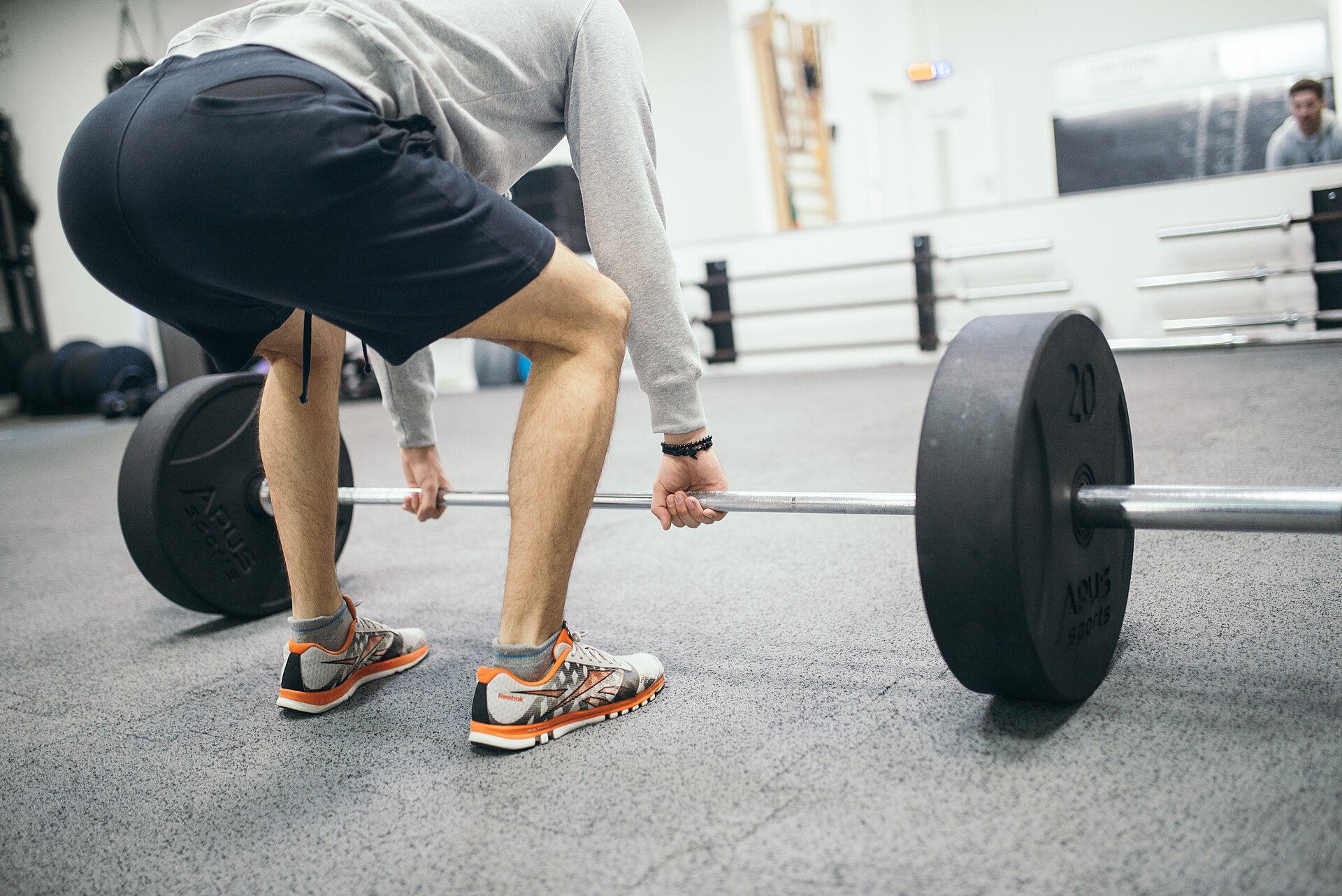
The day, in order
| Stage | What happens | Your job |
|---|---|---|
| Weigh-in | You weigh in during a set window, often the day before or early morning | Bring ID, membership card if required, and your opening attempts |
| Equipment check | Officials inspect your singlet, belt, wraps and shoes against the rules | Have every item you plan to wear ready in one bag |
| Rack heights | You give your squat and bench rack heights to the officials | Know your numbers from training; test them at check-in if offered |
| Warm-up room | Flights warm up on shared platforms before their start time | Time your warm-up to finish a few attempts before you are called |
| Platform | You have a set time to complete each attempt after your name is called | Wait for commands, lift, and hand in your next attempt promptly |
| Awards | Places are decided by total within each weight class and division | Stay, watch the deadlifts, and congratulate your flight |
Picking attempts: the part beginners get wrong
Open light. Your first attempt in each lift should be a weight you could lift on a tired day, because its job is to get you on the board and settle your nerves. The second attempt can be a small personal record or a weight near your best. The third is the swing, taken only if the second moved well.
Missed attempts cannot go down in weight afterwards, and three misses on one lift ends your day regardless of the other lifts. Conservative openers are not a lack of ambition; they are how experienced lifters protect the total while still leaving room to attack the last attempts.
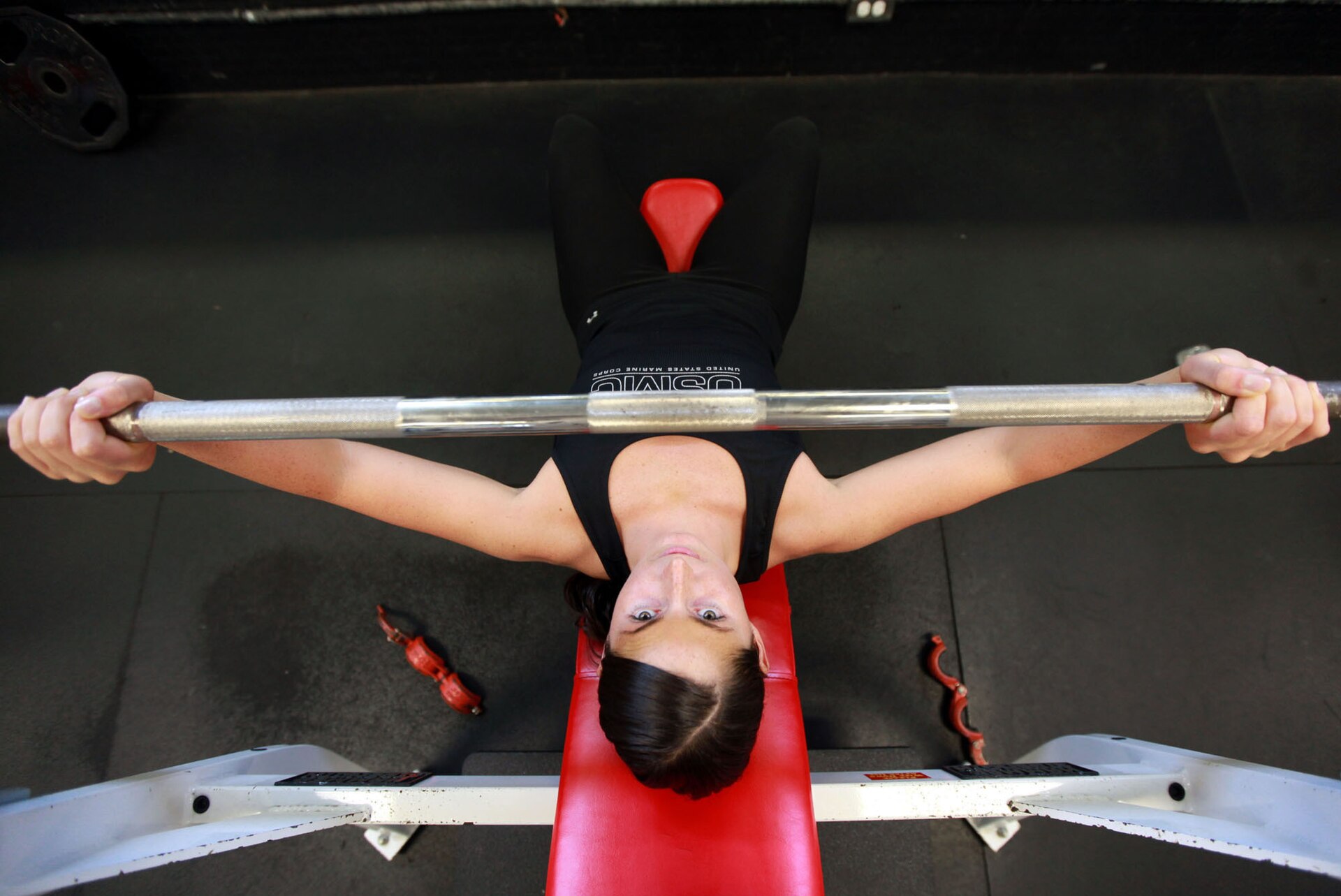
What to pack and how to eat
Pack the night before: singlet, belt, lifting shoes, chalk if you use it, spare clothes, and food you already know sits well. Meet days run long, often six hours or more, and venue food is a gamble. Eat a normal breakfast, then small, familiar snacks between flights. Sip fluids steadily rather than flooding at once, especially in a warm venue.
Bring a handler if you can: a training partner who watches the attempt board, times your warm-ups, and hands in your attempts frees you to think only about lifting. First-timers without a handler should introduce themselves to the other lifters in their flight; the warm-up room is famously generous with help.
After the last deadlift
Write down what you learned within a day, while it is fresh: which warm-up timing worked, where the nerves spiked, which attempt selections you would change, and what you forgot to pack. First meets teach more through small logistics than through the lifts themselves, and lifters who record those lessons improve quickly at their second meet. Keep your expectations in proportion, too. A first meet succeeds if you post a total, follow the commands, and leave wanting to do it again with slightly heavier attempts. Medals and records can wait for a platform routine that already feels familiar.
Common questions
How strong do I need to be to enter a first meet?
Strong enough to lift the three lifts to standard with safe form. There is no qualifying total for most local meets, and flights group you with similar lifters.
What should my opening attempts be?
A weight you have lifted comfortably in training, well below your best. Openers build your total and your confidence; records belong on second and third attempts.
Do I need a singlet and special gear?
Most federations require a singlet and rule-checked equipment. Check the meet's rulebook when you register, and borrow or buy basic kit well before meet week.
Photos in this guide are representative stock images.
← All guides from Enterprise Fitness, Personal Training and Event Center← Back to Enterprise Fitness, Personal Training and Event Center