Training hard in a Piedmont summer is a different job from training hard in January. Monroe heat arrives early, humidity makes sweat less effective at cooling you, and a session that felt fine in April can flatten you in July. The fix is not to stop training. It is to plan for the heat the way you plan for the weight.
Gyms with big free weight floors, like Enterprise Fitness, Personal Training and Event Center, stay busy through the summer. The members who get through it well treat hydration, timing, and recovery as part of the workout, not an afterthought.
What heat does to a workout
Your body cools itself by sending blood to the skin and sweating. Hard training asks for blood in the working muscles at the same time. The result is a higher heart rate at the same workload, faster fatigue, and a core temperature that climbs sooner. Add high humidity, common through a Union County summer, and sweat evaporates slowly, so cooling falls further behind.
That is physiology, not weakness. A set that felt moderate last month can be genuinely harder now, and adjusting the plan is the correct response, not a failure of effort.
Hydration, handled before you feel thirsty
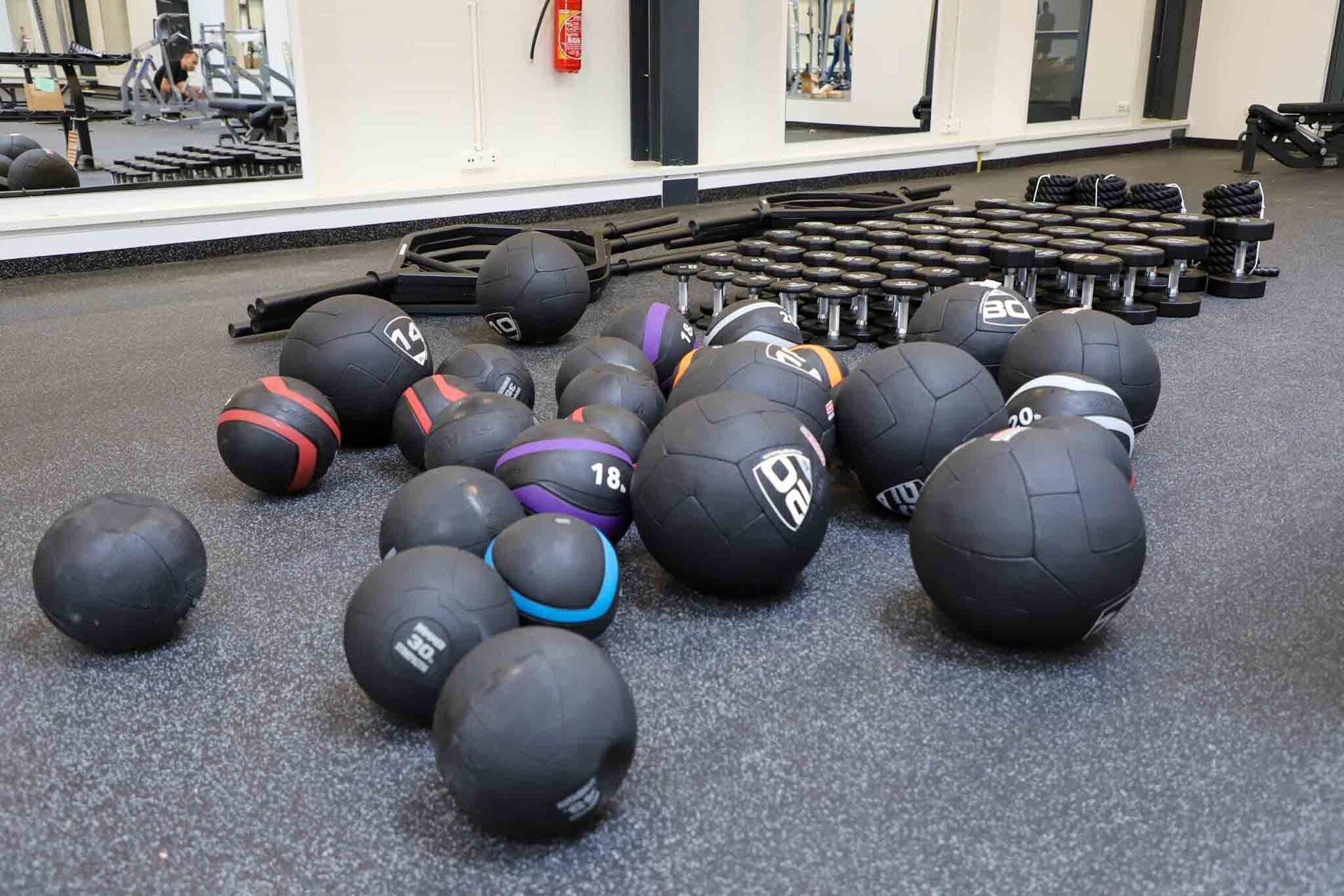
Thirst lags behind fluid loss, so drinking only when thirsty leaves you behind for the whole session. A practical pattern is to drink steadily through the day, have a glass of water in the hour before training, sip during the session, and keep drinking afterwards until urine runs pale. For long or very sweaty sessions, a drink with electrolytes helps replace the salt lost in sweat.
Weighing yourself before and after a hard summer session once or twice teaches you your personal sweat rate. Losing a small amount is expected. Losing a lot, session after session, without replacing it shows up as headaches, cramps, and flat performances that look like a fitness problem but are really a fluid problem.
Timing and session design
If you train outdoors or in an unairconditioned space, early morning is the coolest reliable slot. Inside a climate-controlled gym the clock matters less, but the trip matters: a hot car, yard work in the afternoon sun, or a physical job outdoors all count as heat exposure before the session starts. On those days, trim the top sets, add rest, and treat conditioning work as optional.
Summer is also a sensible season to shift emphasis. Keep the main lifts, shorten accessory work, and save personal-record attempts for cooler mornings. Progress held through July and August is progress; plenty of lifters lose the whole season by forcing spring numbers in summer conditions.
Warning signs that end a session
Dizziness, nausea, confusion, a headache that builds during training, chills, or skin that feels hot and dry despite the heat are stop signs, not obstacles. Sit down in a cool place, sip fluids, and cool the body with wet towels or a fan. Heat illness escalates quickly, and no workout is worth gambling on it. Anyone who faints, vomits repeatedly, or seems confused needs medical help, not a ride home and a nap.
Sleep, food, and the rest of the day
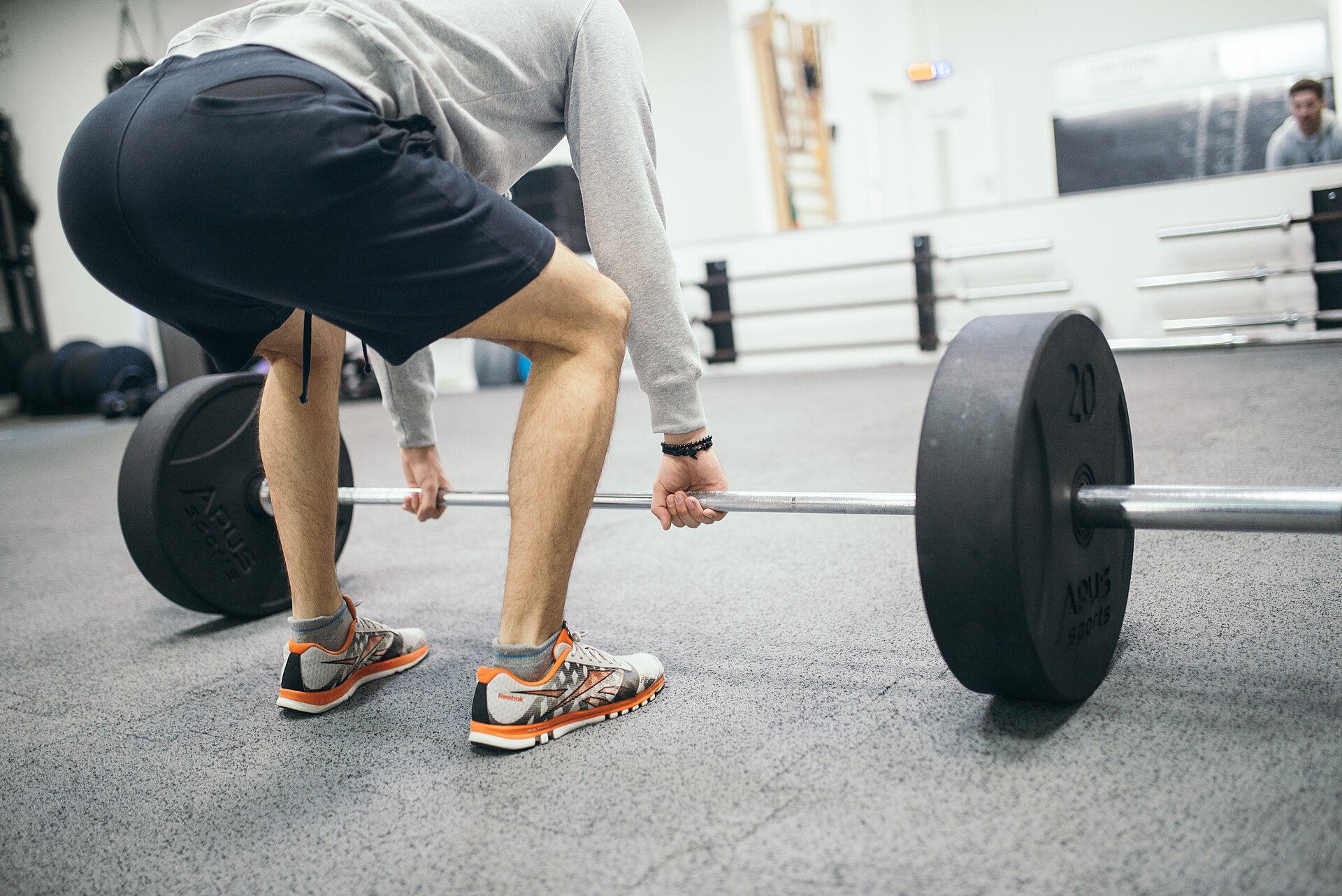
Hot nights disturb sleep across the Piedmont, and poor sleep plus heat is a reliable recipe for a bad session. Keep the bedroom as cool and dark as you can, and expect appetite to dip in heat waves; smaller, more frequent meals often sit better than one large pre-workout meal. Salty food has a place in summer for heavy sweaters, within whatever guidance your own doctor has given you.
Acclimatisation is real and it is earned gradually. Ten to fourteen days of regular, sensible exposure improves sweating and tolerance noticeably. Respect that ramp the first week back after a beach trip or a break, even if your strength feels ready for more.
Common questions
Should I skip training during a heat wave?
Usually not, if you train indoors. Shorten the session, add rest, hydrate ahead of time, and drop any record attempts until conditions ease.
Is water enough, or do I need a sports drink?
For sessions under an hour, water is generally enough. For longer, very sweaty sessions, electrolytes help replace salt and keep you drinking.
Why do I cramp more in summer?
Heavy sweating, low fluid replacement, and fatigued muscles are the usual mix. Hydration, electrolytes, and sensible session length address most cases; cramps that persist deserve a medical check.
Photos in this guide are representative stock images.
← All guides from Enterprise Fitness, Personal Training and Event Center← Back to Enterprise Fitness, Personal Training and Event Center