After 60, the case for strength training gets stronger, not weaker. Muscle mass and strength decline with age when they are not trained, balance gets less reliable, and bone density falls. Regular resistance training pushes back on all three. The goal is not to train like a 25-year-old. It is to stay capable: stairs without dread, groceries carried in one trip, a stumble caught instead of a fall.
In Monroe, programs built for older adults, including SilverSneakers, Silver&Fit, Renew Active and AARP classes at Enterprise Fitness, Personal Training and Event Center, focus on exactly that: balance, range of motion, and steady, accountable practice. Here is how to approach it well.
Start with the medical picture
A conversation with your doctor comes first, especially with heart conditions, joint replacements, osteoporosis, or blood pressure concerns. Most doctors encourage resistance training for older patients, with modifications. Bring the list of limitations to the gym, not just the permission slip, because the limitations shape the program: which joints to protect, which movements to build around, and how hard to push early.
Joint pain deserves a clear-eyed view. Weak muscles around a sore knee usually make the knee worse over time, not better. Strengthening the muscles that support a joint is standard advice for many common aches, done within a pain range that stays mild and settles within a day.
What a senior session should include
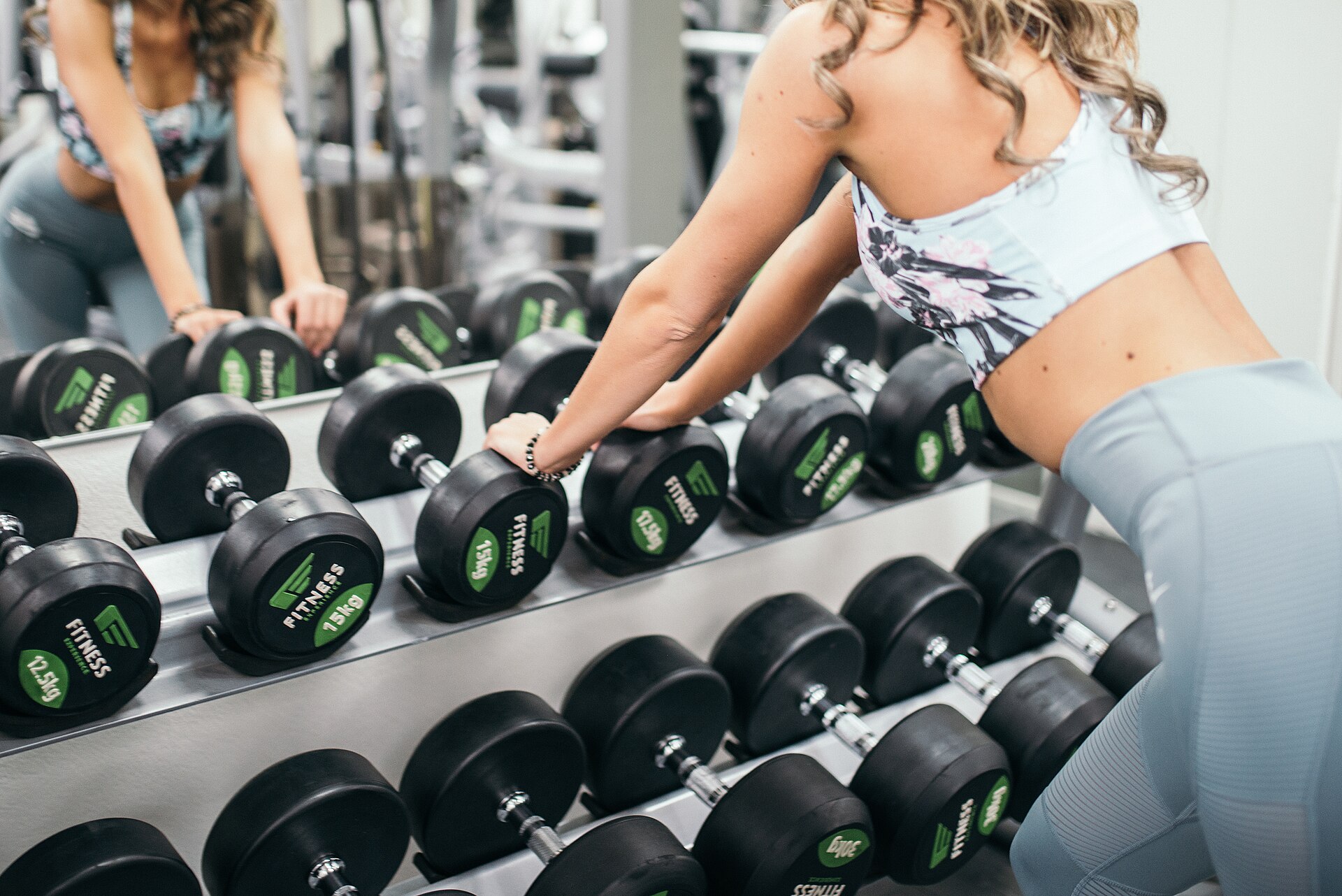
Two or three sessions a week is a solid target. Each session works best with four ingredients: a sit-to-stand or leg press pattern for the legs, a pulling movement for the back and posture, a pushing movement for the chest and arms, and dedicated balance work. Grip work, like carries with light dumbbells, earns its place too, because grip strength tracks closely with overall function.
Machines and light dumbbells carry most of this well. Loads should feel challenging in the last two repetitions of a set while form stays clean. Rest longer between sets than younger lifters do; recovery between sessions matters more as well, so hard leg days should not land back to back.
- Get medical clearance and bring your limitations list to the first session
- Start with two sessions a week and add a third only when recovery feels easy
- Include leg strength, a push, a pull, and balance work in every week
- Use machines or light dumbbells where they protect sore joints
- Keep a simple log of exercises, weights, and how each session felt
- Stop and ask about any sharp pain, dizziness, or chest discomfort
- Pair training days with adequate protein at meals, as your doctor advises
- Reassess weights every few weeks; progress counts at every age
Balance is trainable, and it matters most
Falls are a leading cause of injury for older adults, and the abilities that prevent them, leg strength, ankle stability, and quick corrective steps, all respond to practice. Balance work does not need special equipment: supported single-leg stands, heel-to-toe walking along a counter, and controlled step-ups all help. Do balance drills near a rail or sturdy support, and treat wobbling as information, not failure.
Group classes aimed at seniors build this in, along with range-of-motion work that keeps shoulders and hips moving through the ranges daily life requires. The social side is not a bonus extra; people who train with a group show up more consistently, and consistency is the whole game.
Recovery, protein, and patience
Older muscles recover more slowly and need a clearer protein signal at meals to rebuild. Regular meals with a solid protein portion, spread through the day, support training better than one large serving at dinner. Sleep matters as much as it ever did. Expect visible strength gains in the first two to three months, mostly from the nervous system learning the movements; that early progress is real and motivating, and it is the foundation for the slower gains that follow.
Setbacks will come: a sore shoulder, a busy month, a minor illness. The habit that survives is the one that restarts at a lighter level without drama. A week at half weight beats a month away.
Common questions
Is it too late to start if I have never lifted?
No. Studies of adults starting resistance training in their seventies and beyond show clear strength gains. Start light, get instruction, and progress gradually.
Will lifting make arthritis worse?
For many people, strengthening the muscles around a joint reduces everyday pain. Work within a mild pain range, favour controlled movements, and follow your clinician's advice.
How is a senior class different from a regular class?
Pacing, exercise selection, and balance and mobility work. Instructors plan for a wider range of limitations and keep impact low while still training strength.
Photos in this guide are representative stock images.
← All guides from Enterprise Fitness, Personal Training and Event Center← Back to Enterprise Fitness, Personal Training and Event Center