Personal training is often described as a workout with an expert watching, which undersells it badly. What a good trainer actually sells in the first month is calibration: finding out what your body can do today, teaching the movements you will build on, setting loads you can repeat, and constructing a routine that survives contact with your actual schedule. The workouts themselves are almost the least of it, because you can get workouts free anywhere. Calibration is the part that is hard to do for yourself.
If you are considering training in Monroe, here is what the first month should look like when it is done properly, and the questions that tell you whether it is.
Session one is an assessment, not a workout
Expect conversation and measurement before exertion: health history, injuries, medications that matter, what you have done before, what you want (in concrete terms, like carrying the grandchild or finishing the yard without sitting down twice), and how many days a week you can honestly train. Then movement screening in plain terms: how you squat, hinge, press, pull and carry today, where the stiffness and the weak links are.
A trainer who skips this and goes straight to a hard workout is showing you their only tool. The assessment is also where goals get translated into measurable targets, because specific targets are what sessions get built from, and what progress gets measured against at the end of the month.
Weeks one and two: learning positions
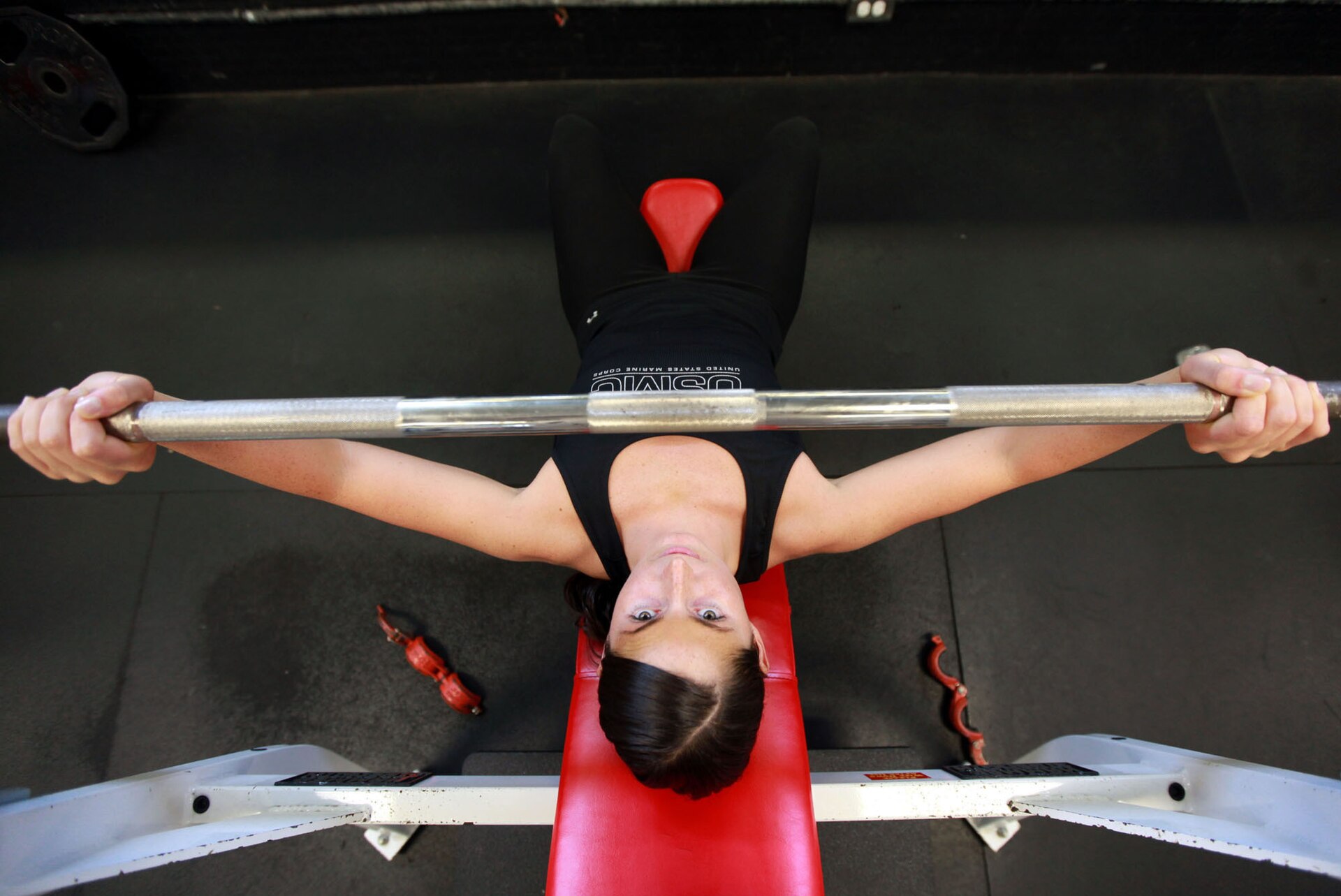
The early sessions feel easier than expected, deliberately. You are learning the core movements at loads that let you practice them perfectly, and building the session rhythm: warm-up, main lift, assistance work, finisher. The trainer is watching how you respond between sessions (soreness, energy, joint complaints) and adjusting the next session before you arrive. That feedback loop is the product.
This is also when the unglamorous systems get built: your log, your warm-up routine, your default weekly schedule. Good trainers treat these as deliverables. By the end of week two you should be able to walk into the gym alone and run a competent session from your own notes, because training includes the days the trainer is not there, and a month that leaves you helpless without supervision has failed at its main job.
Weeks three and four: load and proof
Now the work gets honest. Loads climb to the point where the last repetitions require focus, weak points identified in week one get targeted assistance work, and conditioning enters in doses matched to your recovery. The trainer is also testing the plan against your life: the session that only works when you slept perfectly gets redesigned, because a program that requires perfect weeks produces no results in real ones.
End-of-month review closes the loop: retest a few benchmark movements from session one, compare numbers and how they felt, and set the next block of targets. If nothing is measurable, nothing was calibrated, and you should say so.
- Assessment first: health history, goals in concrete terms, movement screening
- A written or logged plan you can follow on solo days
- Core movements taught at practice loads before heavy loads
- Session-by-session adjustment based on your soreness, sleep and joints
- Weak points named and given specific assistance work
- End-of-month retest against the first session's benchmarks
- A schedule built around your real week, not an ideal one
Choosing the right fit
Credentials matter less than three observable things: the trainer watches your reps instead of their phone, explains the why behind changes in one sentence, and keeps records of your sessions. Style matters too: some people thrive under a drill sergeant and some under a calm technician, and a month is a long time to spend with the wrong one. Most gyms will arrange a first session or consultation; use it as an interview in both directions.
At a club with a long coaching tradition, personal training is the fastest route from the door to a program that fits. The first month done well buys you years of training done right, on your own, which is the actual point of hiring a teacher.
Common questions
How many personal training sessions do I need per week?
One or two sessions a week is the common and effective pattern. The trainer teaches, loads and corrects in those sessions, and you repeat the work solo on other days from your program. More sessions help mainly if your schedule or motivation cannot support solo training.
What should happen in a first personal training session?
An assessment: health and injury history, concrete goals, and screening of how you squat, hinge, press, pull and carry. Expect some light teaching work, not a maximal workout. A hard first session with no assessment is a warning sign.
Is personal training worth it for an experienced lifter?
It can be, for different reasons: an outside eye on form at heavy loads, programming through a plateau, and accountability during a focused block like meet preparation. The value shifts from teaching movements to refining them and managing progression.
Photos in this guide are representative stock images.
← All guides from Enterprise Fitness, Personal Training and Event Center← Back to Enterprise Fitness, Personal Training and Event Center